

The Sustainable Solution The Refuse Industry Has Been Overlooking – TRASH BIN CLEANERS DIRECT
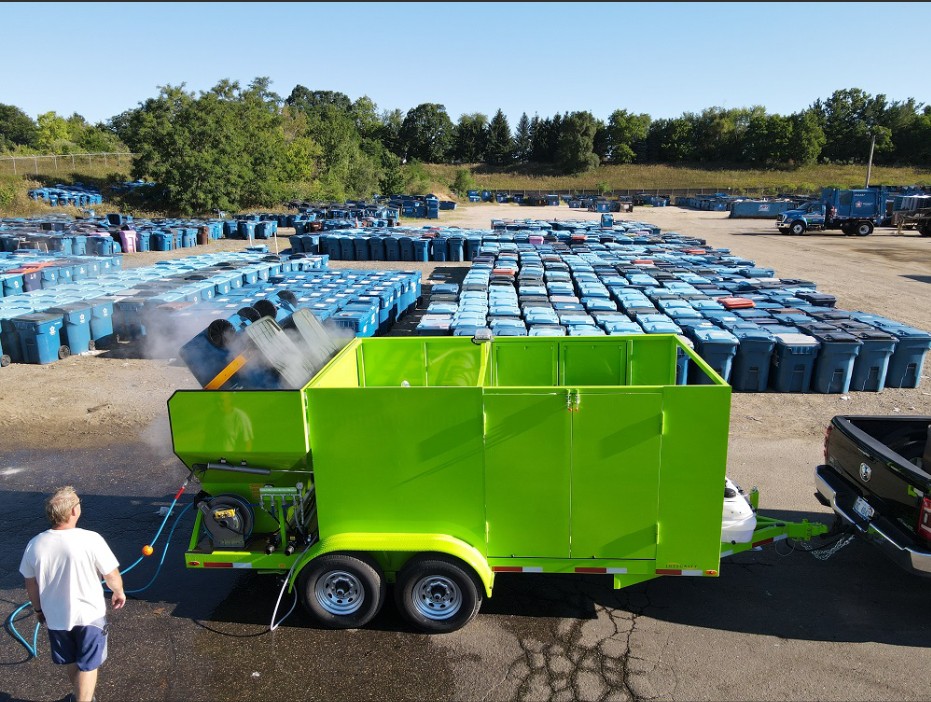
Restore, Don’t Replace: How Cart Restoration Can Keep Millions of Pounds of Plastic Out of Landfill Every year, municipalities and waste haulers across North America replace thousands of residential trash carts, recycling bins, and organics containers that are deemed unserviceable. In many cases, these carts are not structurally damaged beyond repair. Instead, years of neglect, hardened residue, odors, grease buildup, and contamination have rendered them unsuitable for continued residential use. The result is a costly and environmentally damaging cycle of disposal and replacement. At a time when waste management organizations are investing heavily in sustainability initiatives, zero-waste goals, and landfill diversion programs, one of the most overlooked opportunities may already be sitting at the curb: the carts themselves. A Million Pounds of Plastic Headed for Disposal During conversations at Waste Expo, Trash Bin Cleaners Direct (TBCD) learned of a major cart replacement initiative being considered by Polk County, Florida. The county was preparing to replace approximately 29,000 residential waste carts. At an estimated replacement cost of roughly $70 per cart, the project represented more than $2 million in equipment expenses. Transportation and disposal costs would have added another estimated $105,000. But the financial impact was only part of the story. Those 29,000 carts represented approximately 580 tons—more than one million pounds—of non-biodegradable plastic destined for landfill disposal. Many of these carts had been in service for over a decade. While heavily soiled and considered unsuitable for continued use, a significant number still retained structural integrity and could potentially be restored. Extending Asset Life Through Restoration Rather than automatically replacing every cart, TBCD helped connect the county with a contractor utilizing advanced cart cleaning and restoration technology. Using specialized hot-water cleaning, sanitation, and restoration equipment, carts that would have otherwise been discarded were cleaned, restored, and returned to active residential service. The results demonstrated an important reality for the refuse industry: many carts classified as “unserviceable” may simply need restoration rather than replacement. By extending the useful life of existing carts, municipalities and haulers can dramatically reduce capital expenditures while preventing massive volumes of plastic from entering landfills. Why the Refuse Industry Should Pay Attention Waste management organizations spend significant resources encouraging residents to recycle, compost, and reduce waste. Yet the industry itself often replaces reusable assets long before they have reached the end of their functional life. Restoration changes that equation. When a cart can be safely cleaned, sanitized, and returned to service, organizations can: This approach aligns directly with the principles of the circular economy—keeping valuable materials in use for as long as possible before disposal becomes necessary. The Environmental Value of Cart Restoration Plastic waste carts are built to withstand years of service. When they are discarded prematurely, the environmental consequences extend beyond landfill space. Manufacturing replacement carts requires raw materials, energy, transportation, and distribution. Every cart that can be restored instead of replaced represents a reduction in resource consumption and greenhouse gas emissions associated with manufacturing new equipment. For municipalities seeking measurable sustainability improvements, cart restoration offers an immediate and practical solution. A single large-scale restoration project can divert hundreds of tons of plastic from landfills while preserving millions of dollars in public assets. Sustainability Beyond the Cart TBCD’s commitment to environmental responsibility extends beyond cart restoration. The company’s mobile cleaning systems incorporate advanced wastewater capture, filtration, and recycling technology designed to reduce environmental impact during cleaning operations. Using a proprietary multi-stage filtration process, wastewater is filtered and reused throughout the cleaning cycle, minimizing disposal requirements and reducing the volume of industrial wastewater generated during operations. This approach helps operators conserve water, reduce disposal costs, and maintain environmentally responsible cleaning practices. A Smarter Approach to Waste Management The waste and recycling industry is evolving. Organizations are increasingly expected to deliver measurable environmental results while controlling operational costs. Cart restoration offers a rare opportunity to accomplish both. Instead of viewing heavily soiled carts as disposable assets, municipalities and haulers can evaluate whether restoration is a viable alternative. In many cases, the answer may lead to substantial financial savings and significant environmental benefits. If one county can potentially prevent more than one million pounds of plastic from entering a landfill, imagine the impact if similar programs were adopted nationwide. The refuse industry has always focused on reducing waste. Restoring existing assets instead of replacing them is simply the next logical step. Sometimes the most sustainable solution isn’t buying something new. It’s giving what you already have a second life. Learn More About Cart Restoration Solutions Whether you’re a municipality, waste hauler, contractor, university, HOA, or solid waste authority, Trash Bin Cleaners Direct can help you reduce replacement costs, extend the life of your waste carts, and support your sustainability goals through advanced cart restoration and wastewater recycling technology. For more information about mobile trash bin cleaning systems, cart restoration equipment, contractor referrals, or training programs, contact: Trash Bin Cleaners Direct, LLCPhone: 616-250-4039Email: info@trashbincleanersdirect.com Contact our team today to learn how restoring waste carts instead of replacing them can save money, reduce landfill waste, and create a more sustainable future for your organization.